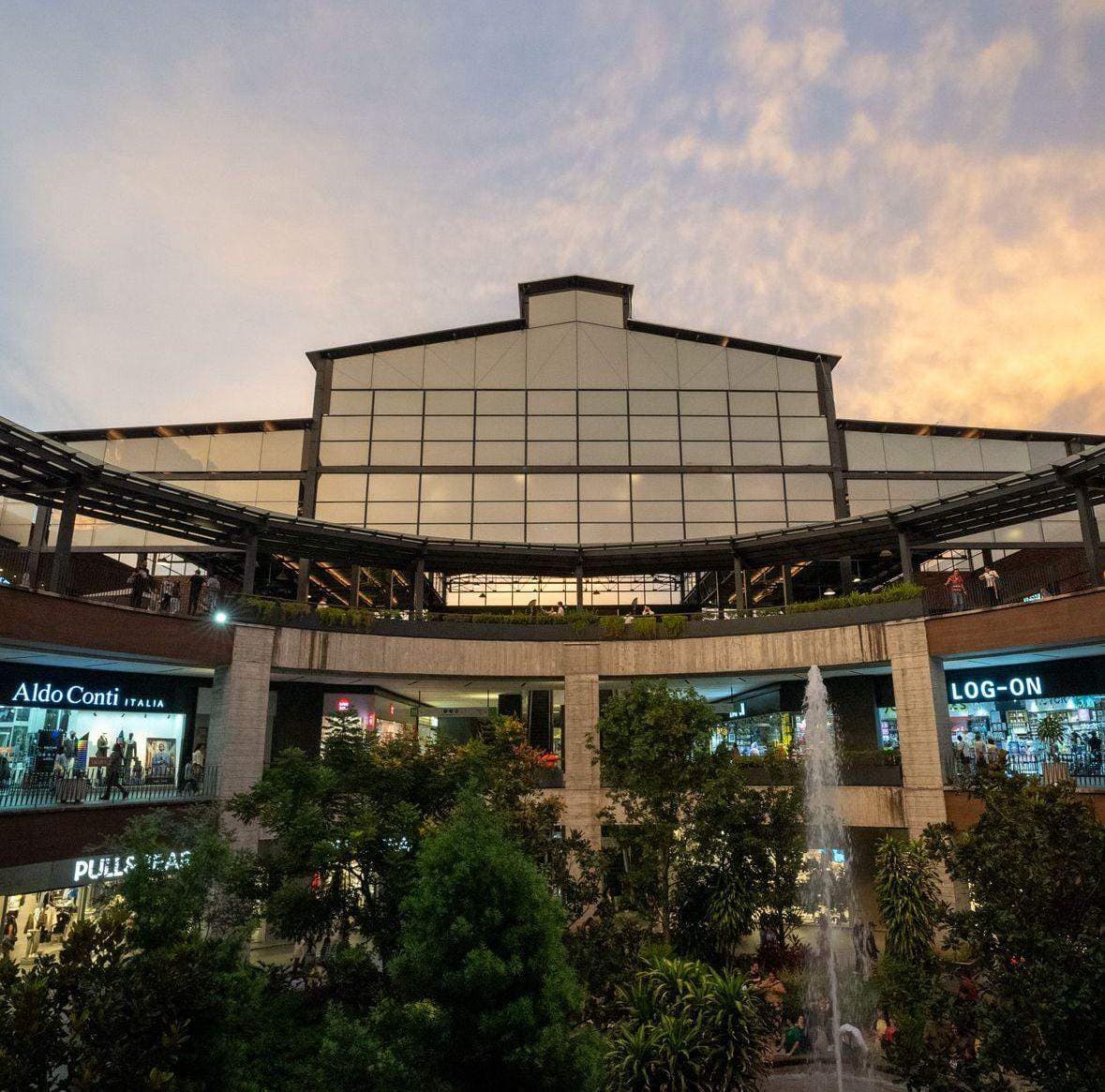
General description
WELL™ Certification
The WELL™ Certification is an international standard that evaluates how the design, operation, and features of a space impact the health and well-being of its occupants. Through measurable criteria, promotes projects that prioritize people throughout the built environment.
WELL focuses on the relationship between built spaces and the experience of those who use them: how we feel, work, rest, and live.
At THREE, we understand that an organization’s most valuable asset is its people. We transform WELL principles into design and efficiency strategies that enhance the performance of spaces.
We support companies, developers, and design teams through expert consulting that combines technical knowledge, sustainability, and measurable solutions to promote well-being and strengthen ESG objectives across corporate, industrial, and mixed-use projects.
Categories
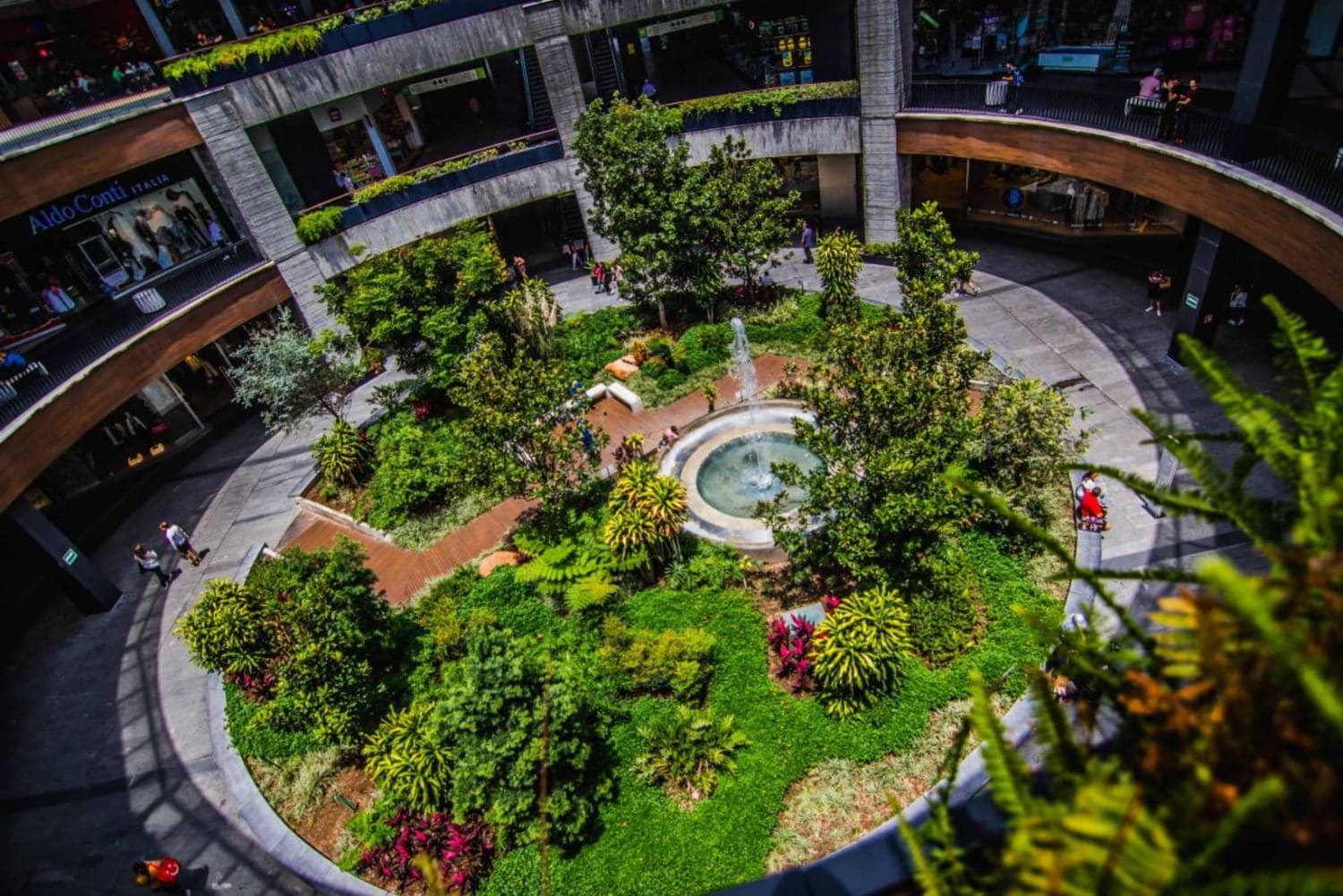
The 10 Categories of WELL Certification
The latest version of WELL, WELL v2, is organized into ten concepts. Each one brings together specific strategies that can be implemented throughout the design and operation of a project:
Air
Indoor air quality, ventilation, filtration, and pollutant reduction strategies to protect respiratory health.
Water
Access to safe, high-quality drinking water and water management strategies that promote hydration and overall health.
Nourishment
Availability of healthier food options in cafeterias, dining areas, and shared spaces.
Light
Natural and artificial lighting strategies that support visual health and circadian rhythms (sleep and energy cycles).
Movement
Design strategies that encourage physical activity, including accessible stairs, pedestrian pathways, and active spaces.
Thermal Comfort
Temperature and humidity control strategies that help people feel comfortable within the space.
Sound
Noise management strategies that support concentration, acoustic privacy, and rest.
Materials
Selection of materials that minimize harmful compounds and protect the health of occupants and the environment.
Mind
Strategies that support mental and emotional health through spaces that promote calm, connection with nature, and stress reduction.
Community
Inclusive and accessible spaces that encourage social interaction and foster a sense of belonging.
Score
WELL Certification Levels
To achieve certification, a project must first meet a set of mandatory preconditions and then earn additional points through optimizations.
The total score determines the certification level achieved:
WELL Bronze
40 points — no minimum score required per concept.
WELL Silver
50 points — minimum of 1 point in each of the 10 concepts.
WELL Gold
60 points — minimum of 2 points in each concept.
WELL Platinum
80 points — minimum of 3 points in each concept.
A project can earn up to 12 points per concept and a maximum of 100 points across the 10 concepts. All preconditions must be met before optimization points can be added.
Process
What Is the WELL Certification Process?
- Registration. The project is registered in the WELL system with the basic information and scope details.
- Initial Assessment. We evaluate the project against WELL requirements and define the pathway to achieve the target certification level.
- Implementation. Design and operational strategies are implemented, including indoor air quality, lighting, acoustics, materials, and other WELL strategies.
- Verification. An independent third party reviews the documentation and, when applicable, conducts on-site performance testing.
- Certification. Once all criteria are met, the project achieves its WELL certification level.
The timeline depends on the project scope and target certification level. We define the process together during the initial assessment; integrating WELL strategies from the design phase makes the certification process more efficient.
Projects
What Types of Projects Can Be WELL Certified?
WELL applies to a wide range of projects, both new developments and renovation projects:
- Office spaces seeking healthier and more productive work environments.
- Residential projects —including apartment buildings, housing developments, and residential complexes— focused on improving quality of life.
- Retail spaces and shopping centers that enhance the experience of customers and employees.
- Educational facilities that prioritize the health and well-being of students and staff.
- Healthcare facilities and hospitals designed to support recovery and overall well-being.
- Hotels and hospitality projects that elevate the guest experience.
- Sports facilities and gyms designed to promote comfortable and safe physical activity.
- Entertainment and food service spaces that create healthier environments for visitors and teams.
- Existing building renovation projects seeking to improve indoor environments and occupant well-being.
Benefits
Benefits of Certifying Your Project with WELL
Achieving WELL Certification creates value across multiple areas at the same time. These are the benefits that matter most to building owners:
Increased Asset Value
A certified building stands out in the market and becomes more attractive to tenants and investors. WELL serves as a valuable differentiator for both leasing and sales strategies.
Talent Attraction and Retention
The quality and well-being of a space influence people’s decisions to join and remain within an organization.
Evidence for Your ESG Strategy
WELL provides measurable and verifiable data that supports the Social dimension of ESG reporting, which is often the most challenging area to substantiate with concrete metrics. For investors, it represents a clear commitment to responsible asset management.
Improved Occupant Performance
Spaces designed to support focus, comfort, and rest can contribute to higher productivity and reduced absenteeism. This becomes a valuable commercial advantage when positioning the project in the market.
Reputation Backed by Third-Party Verification
Communicate a genuine commitment to people’s health and well-being, supported by verification from an independent third party.
FAQs
Frequently Asked Questions (FAQs) About WELL Certification
What is the difference between WELL and LEED?
LEED measures a building’s environmental performance, while WELL measures its impact on the health and well-being of the people who occupy it. They do not compete with each other; they complement one another. Many projects pursue both certifications to address overall building performance and occupant well-being.
How much does WELL Certification cost?
The cost depends on the type of asset, project size, and target certification level (Bronze, Silver, Gold, or Platinum). There is no single fixed cost. At THREE, we define an estimate during the initial assessment, once we understand the actual scope and requirements of your project. Request a quote to get started.
How long does the certification process take?
The timeline depends on the project scope and target certification level. We determine the expected timeframe during the initial assessment, along with the recommended path forward. The process is more efficient when WELL strategies are integrated from the design phase.
Can an existing building be certified?
Yes. WELL applies to both new construction projects and existing buildings undergoing renovation or operating improvements.
Does WELL Certification need to be renewed?
Yes. WELL Certification is renewed every three years because building conditions and operational practices can change over time. Recertification ensures that projects continue to maintain WELL standards.
Who verifies the certification?
The certification is verified by an independent third party under the International WELL Building Institute (IWBI) standard, with verification conducted by GBCI. THREE does not issue the certification; we support you throughout the process to develop and implement the best strategy to achieve it.

THREE
Transform Your Asset with WELL
At THREE, we do more than manage the certification process. We guide you from the initial assessment through certification, ensuring that WELL translates into greater asset value, measurable ESG evidence, and a real competitive advantage in the market.
Request your WELL Certification quote today.
Contact us at hello@three.com.mx