General description
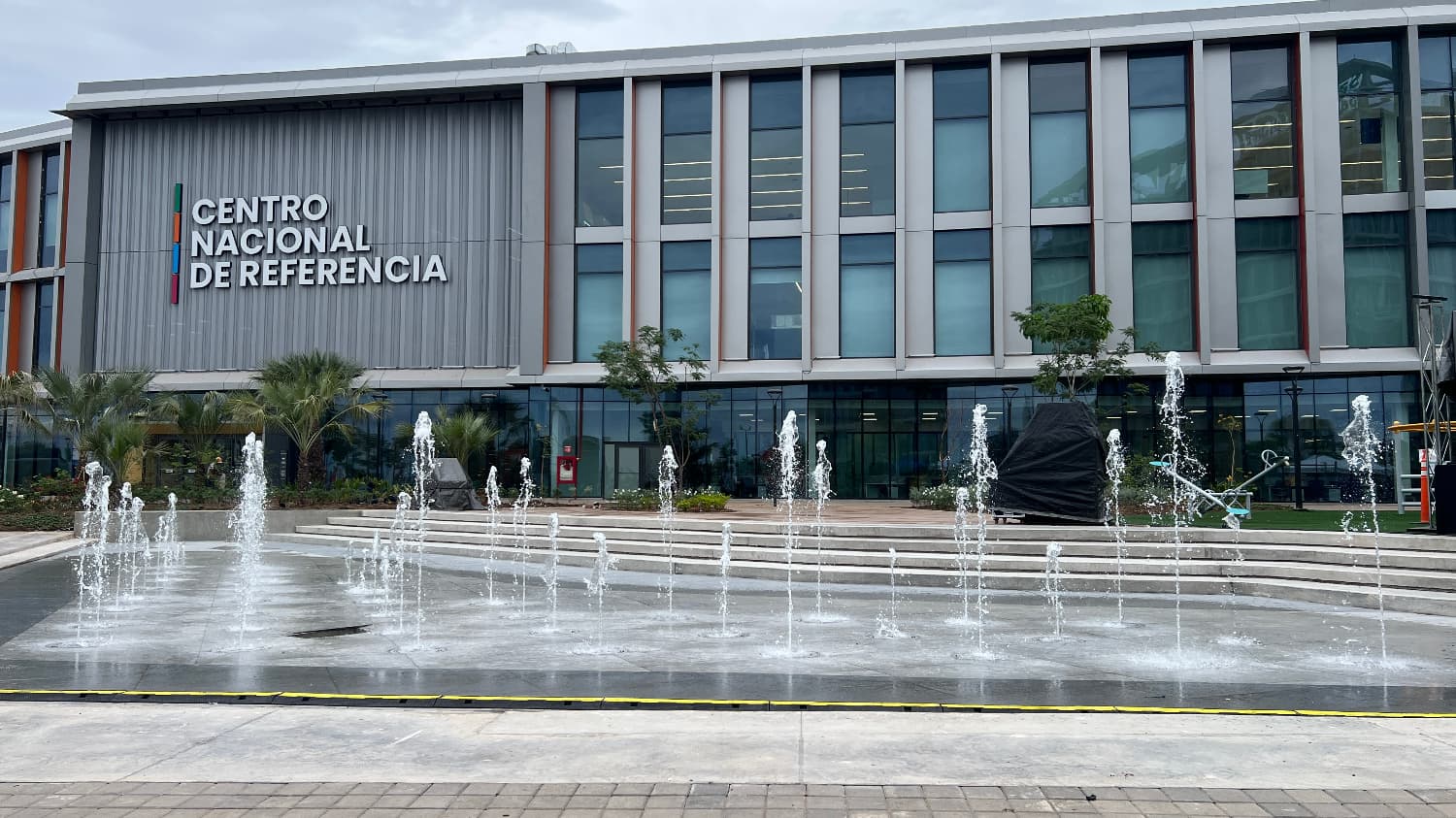
Centro Nacional de Referencia Campus Salud Digna
CNR Laboratories is one of the buildings within the Campus Salud Digna complex, certified LEED Silver® BD+C: New Construction v4, located in Culiacán, Sinaloa, Mexico.
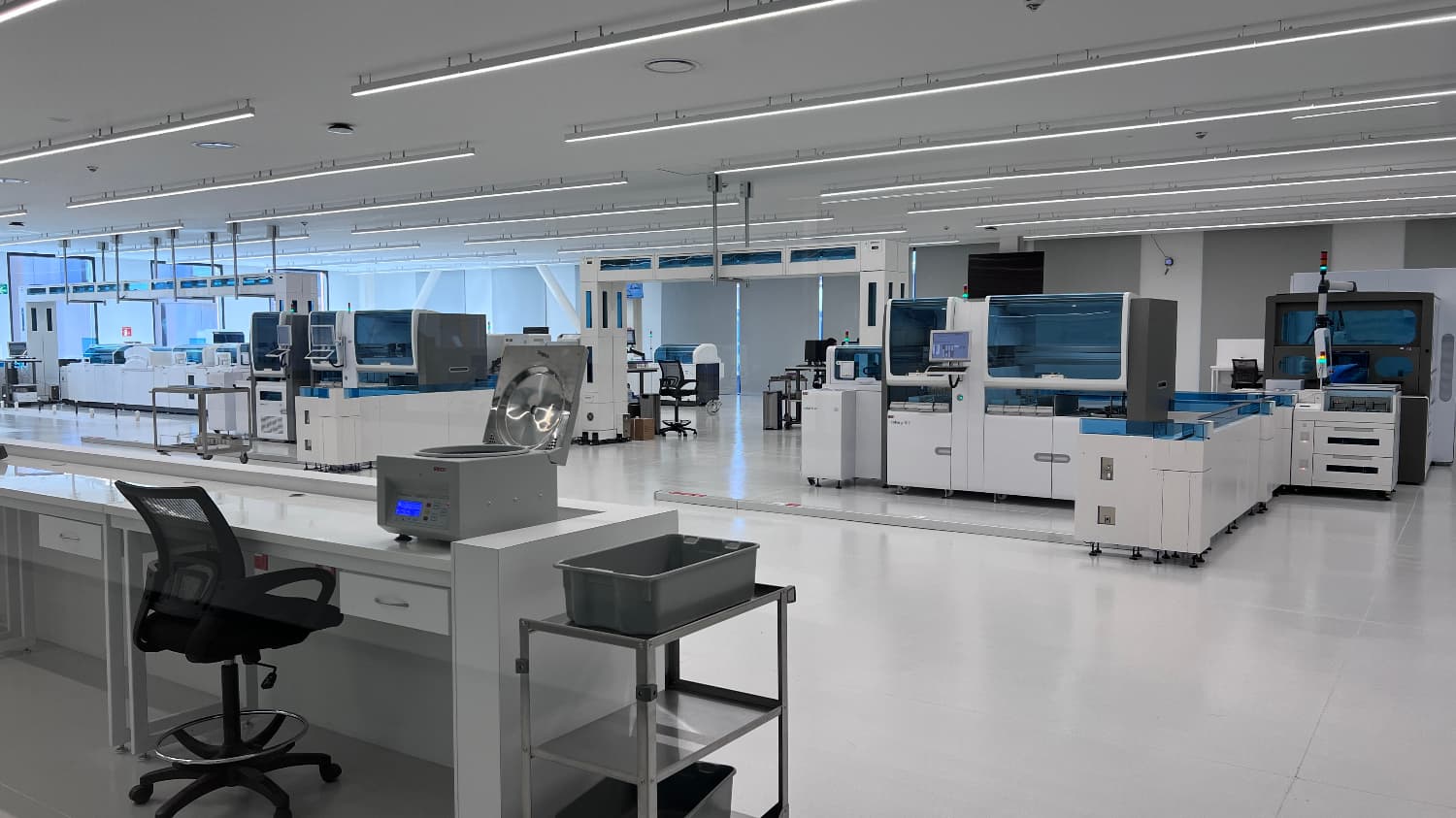
CNR Laboratories is a state-of-the-art facility meticulously designed to meet the rigorous demands of clinical, pathological, and optometric testing.
The building integrates advanced technology with efficient design to optimize operations and enhance comfort for both patients and staff.
The facility features a wide range of spaces, including multiple office areas, meeting and training rooms, a consultation room, dedicated laboratory zones, break areas, and a welcoming lobby.

Client

The project was developed in close collaboration with the client, Salud Digna, and the construction company Franser.
Salud Digna’s mission is to help people take care of their health and improve their quality of life.
With the purpose of providing access to quality healthcare for everyone and a vision of becoming the most prestigious healthcare institution in Latin America—recognized for its high quality and accessibility—these values were reflected in every decision made throughout the project’s certification process.
Project
The project was designed to meet the highest quality standards for clinical, pathological, and optometric testing.
The project is located within a campus setting, which enabled the achievement of several LEED credits through shared strategies.
Shared areas with the corporate building feature paving selected to reduce the heat island effect, native vegetation, and highly efficient irrigation systems equipped with moisture sensors.
Although the park is primarily intended for use by Salud Digna employees, it is expected to become a landmark in the area and will be open for public use.
Challenges
Given that this is a laboratory building, many of the air quality and ventilation requirements were particularly challenging. Certain laboratories required negative pressure to prevent contamination of adjacent spaces, while others required the opposite conditions.
Lighting was also a challenge, as laboratories require high illumination levels to meet safety standards.
Solution