General description
CHUFANI DIEHL QRO
Location:El Marqués, Querétaro
Category:Industrial
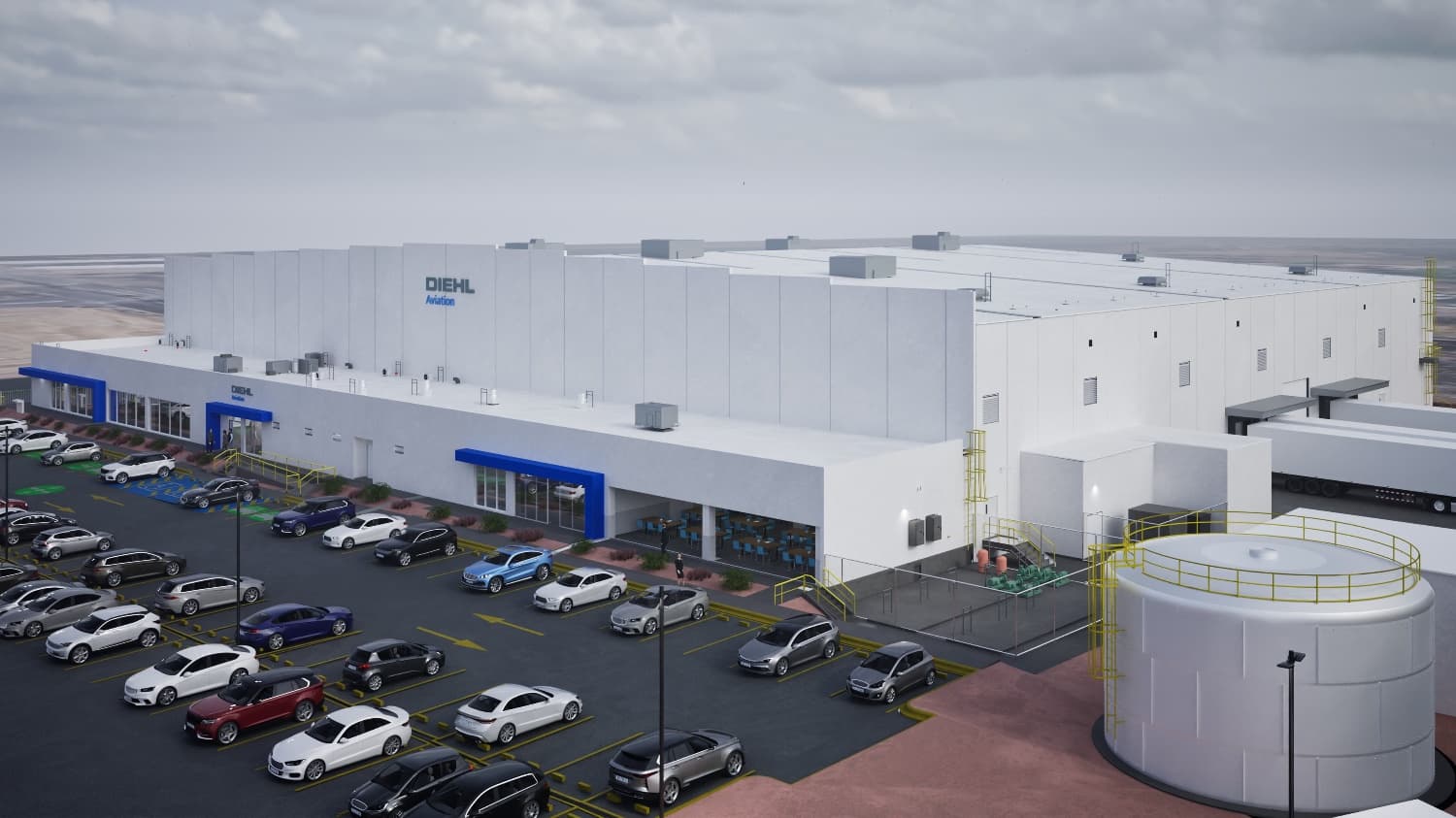
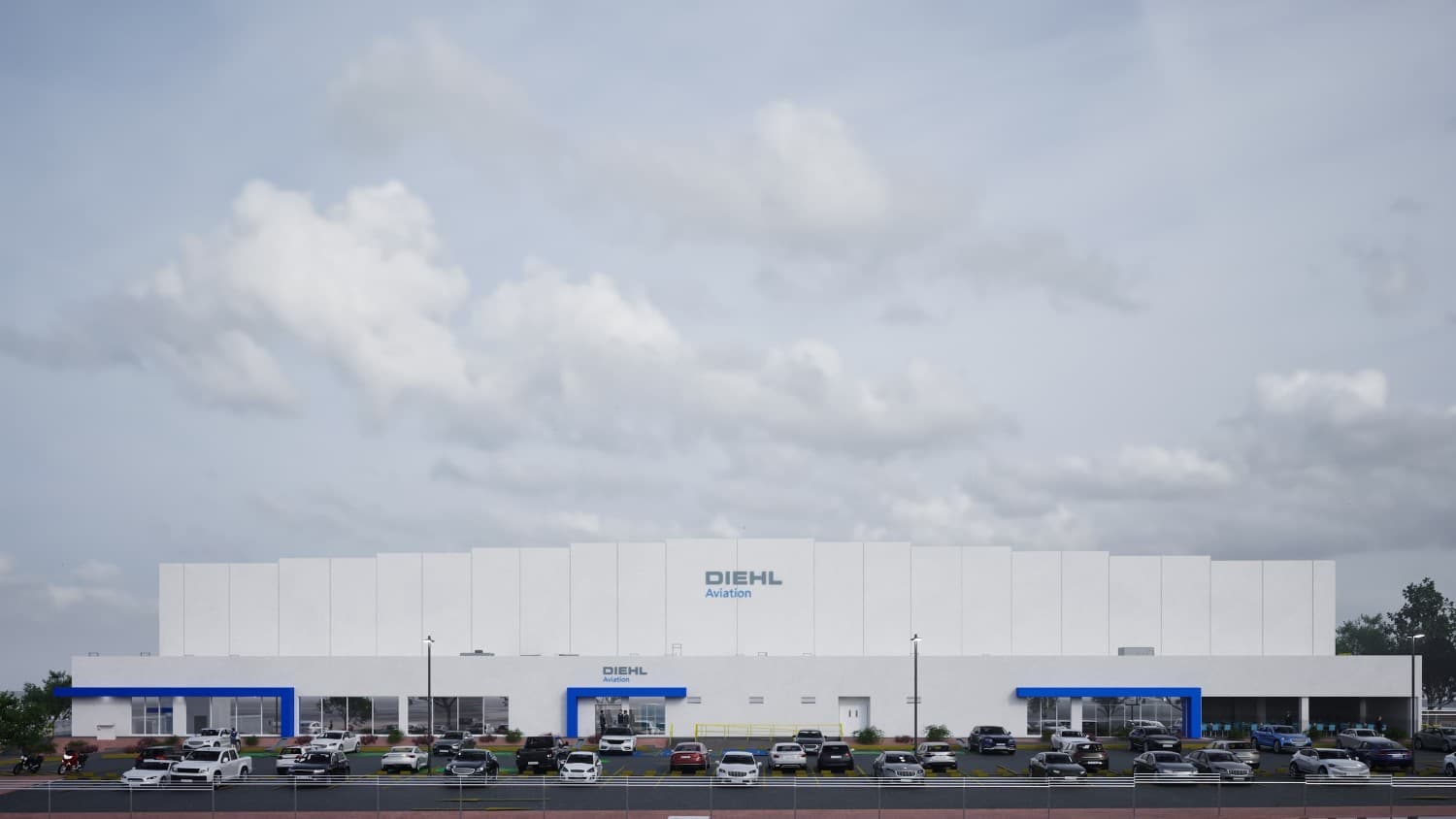
CHUFANI DIEHL QRO is a speculative industrial building —LEED Certified® BD+C: Core and Shell v4— located in the municipality of El Marqués, Querétaro, with areas for warehousing, production, and offices.
The project was designed and built under a comprehensive sustainability approach, with strategies aimed at reducing its environmental impact, improving energy efficiency, and promoting responsible environmental performance throughout its life cycle.
Services:Environmental Consulting
Certifications: LEED Certified® BD+C: Core and Shell v4
Client
CHUFANI is a company specialized in the design, development, construction, and management of industrial infrastructure projects.
Develops comprehensive solutions for industrial buildings under international standards —such as LEED certification— adapted to the operational requirements of each client. Its model integrates the different stages of the project —from design to management— to ensure consistency, efficiency, and performance throughout the asset's life cycle.
Project
Sustainability strategies
- The project incorporated an efficient building envelope, skylights to take advantage of natural lighting, and high-efficiency luminaires with automatic controls indoors and outdoors, representing a 12.1% energy saving compared to a baseline building.
- In water efficiency, the installation of efficient plumbing fixtures reduced indoor water consumption by 54.66%, and the use of native vegetation eliminated the need for outdoor irrigation.
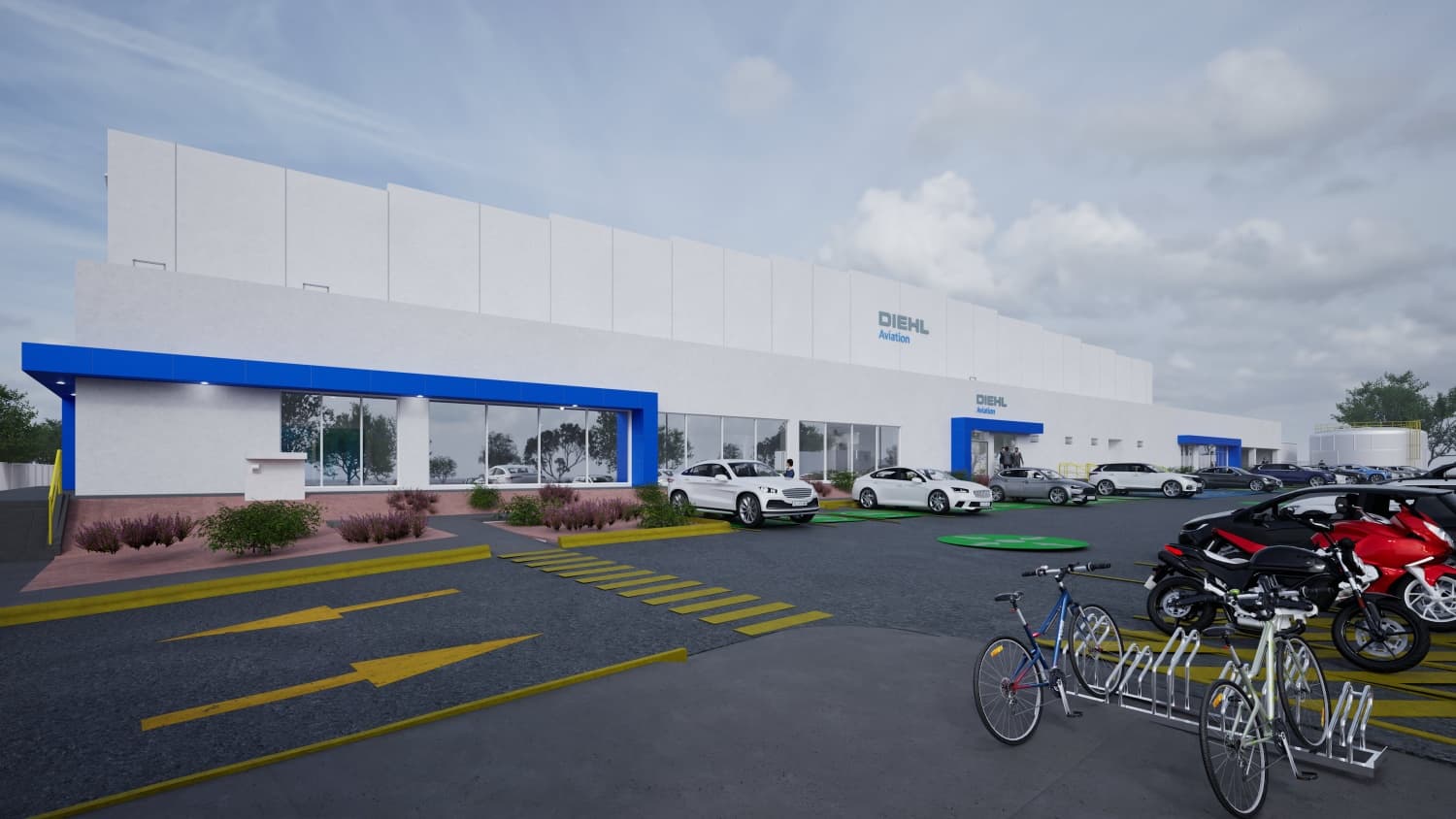
- To promote more sustainable mobility, the project reduced the number of parking spaces relative to the baseline and allocated preferential spaces for carpooling.
- The white roof, with an initial Solar Reflectance Index (SRI) of 72, reduces heat absorption and mitigates the urban heat island effect. In terms of lighting, 78.9% of the regularly occupied area reaches adequate levels using only natural light, reducing the use of artificial lighting.
- During construction, materials with lower environmental impacts were selected, evaluated by their performance throughout the life cycle.
- A LEED Accredited Professional oversaw the project and verified the implementation of the sustainability strategies.
Process