General description
FINSA Multi V Santa Catarina
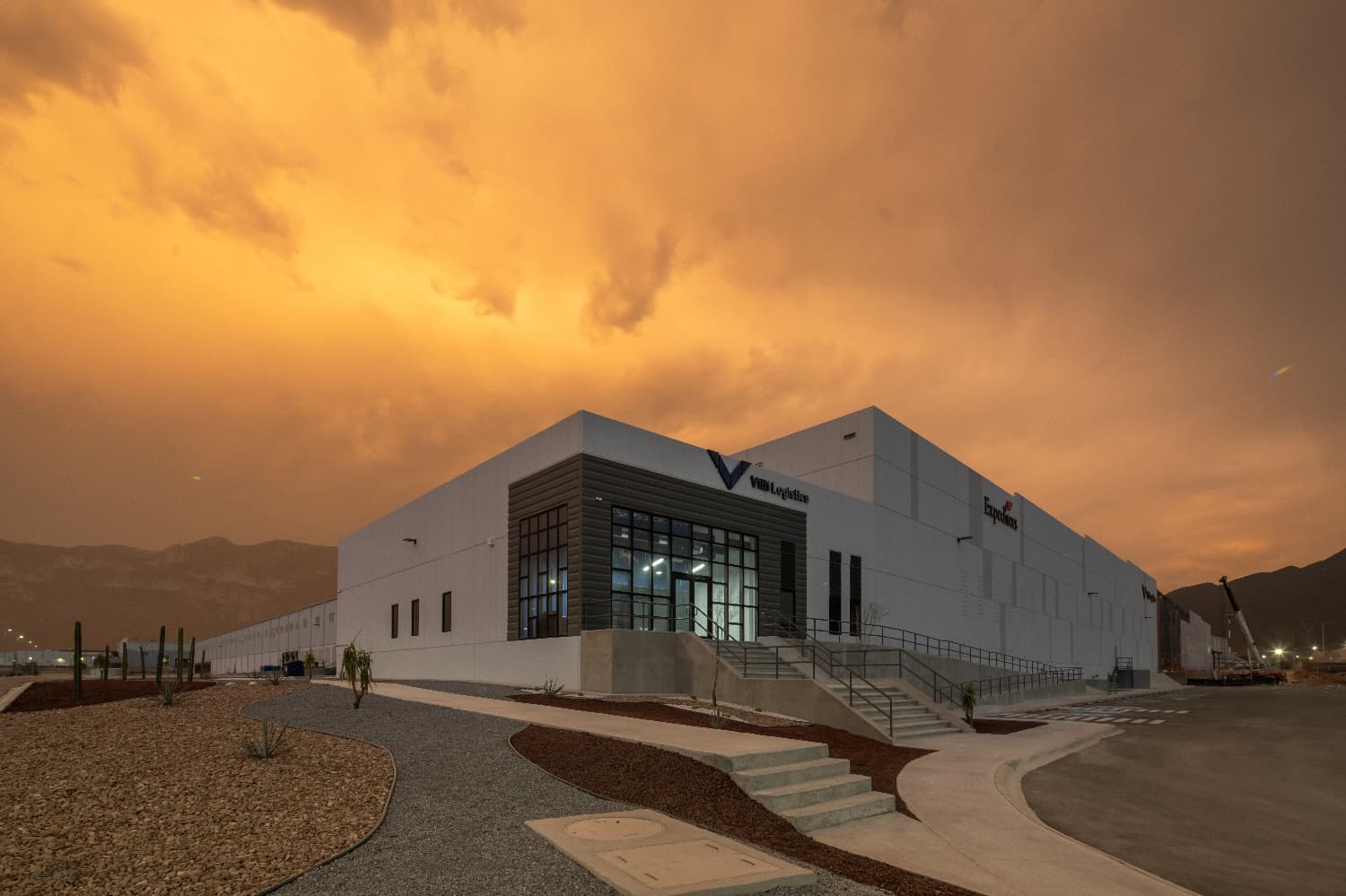
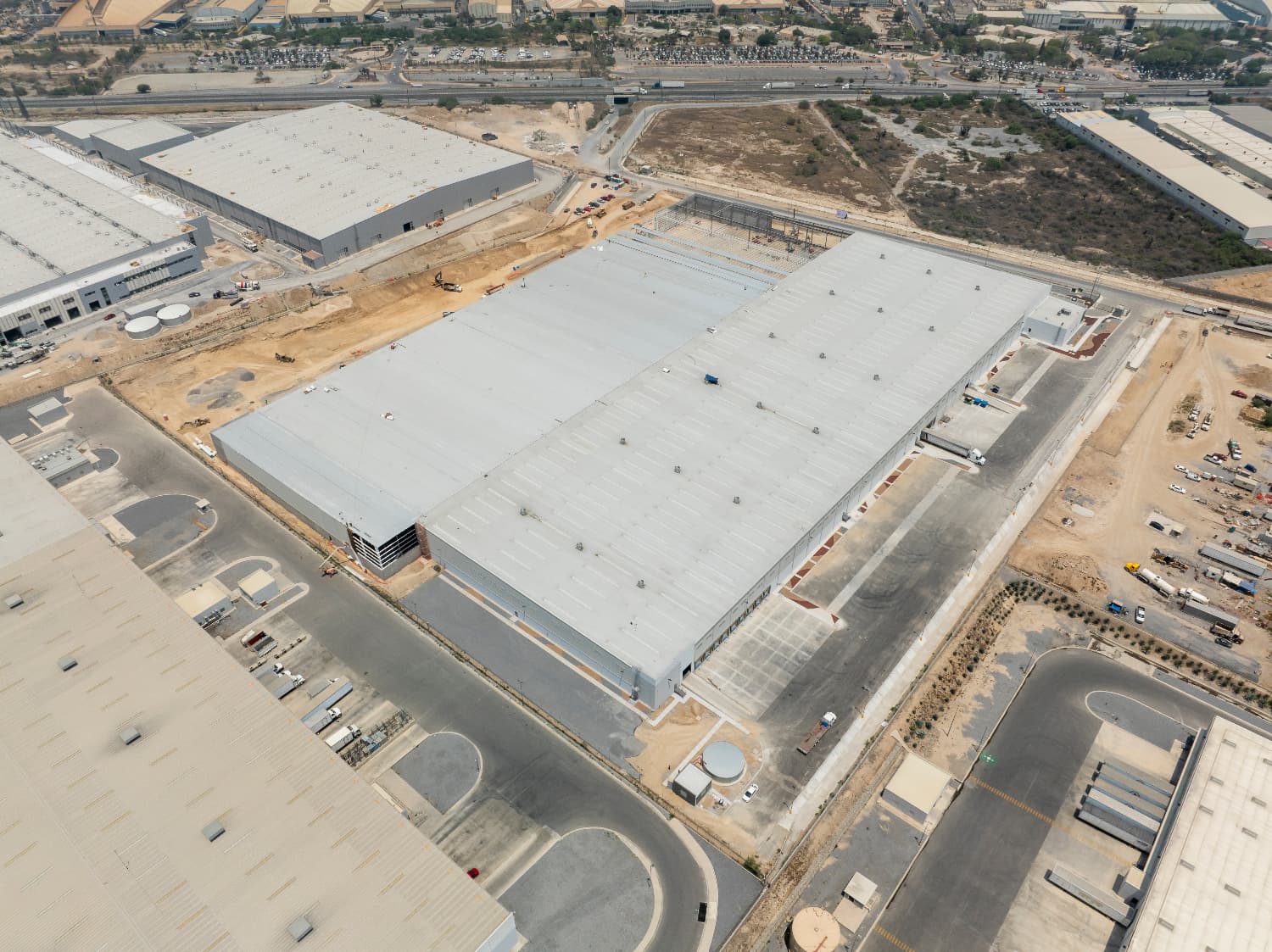
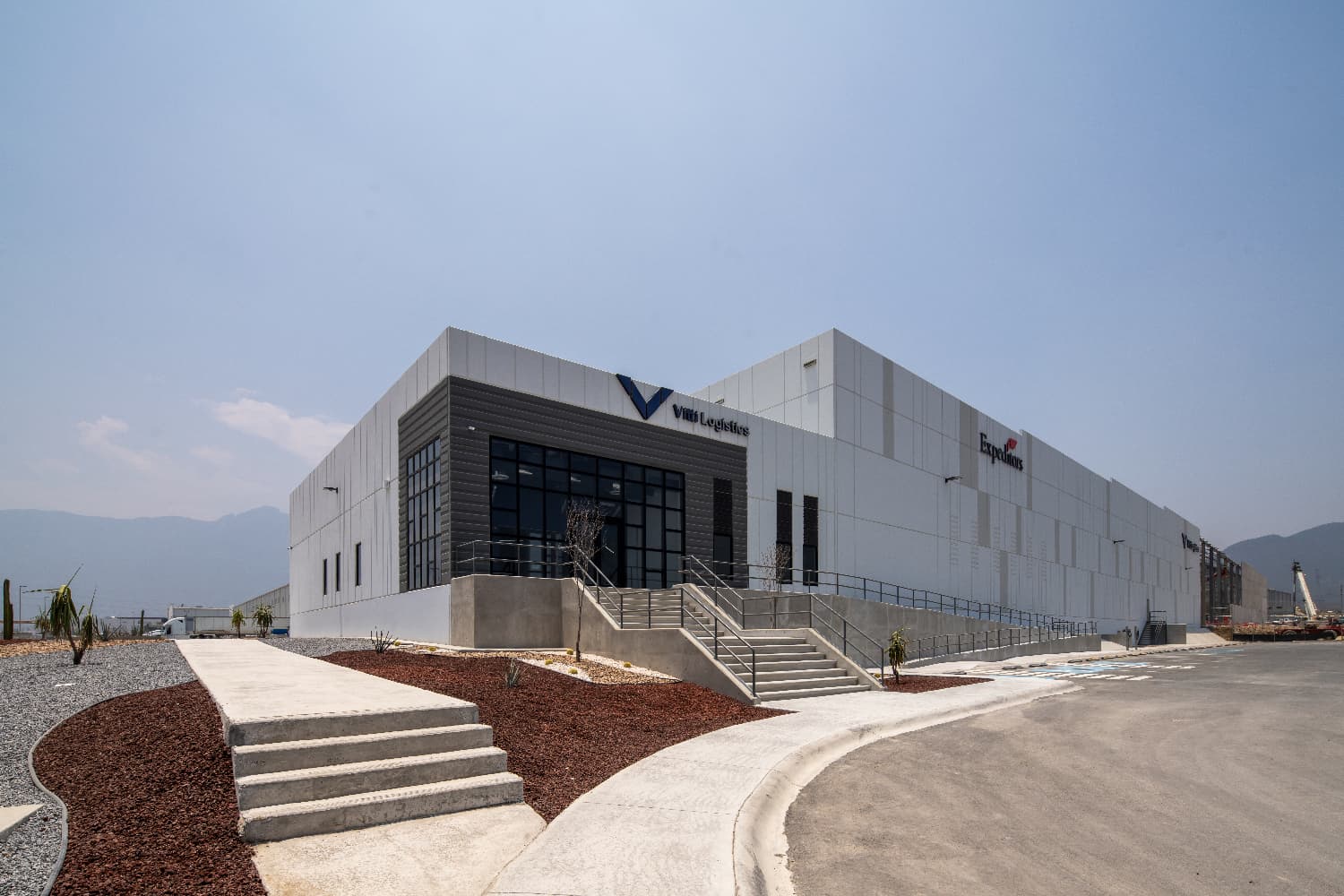
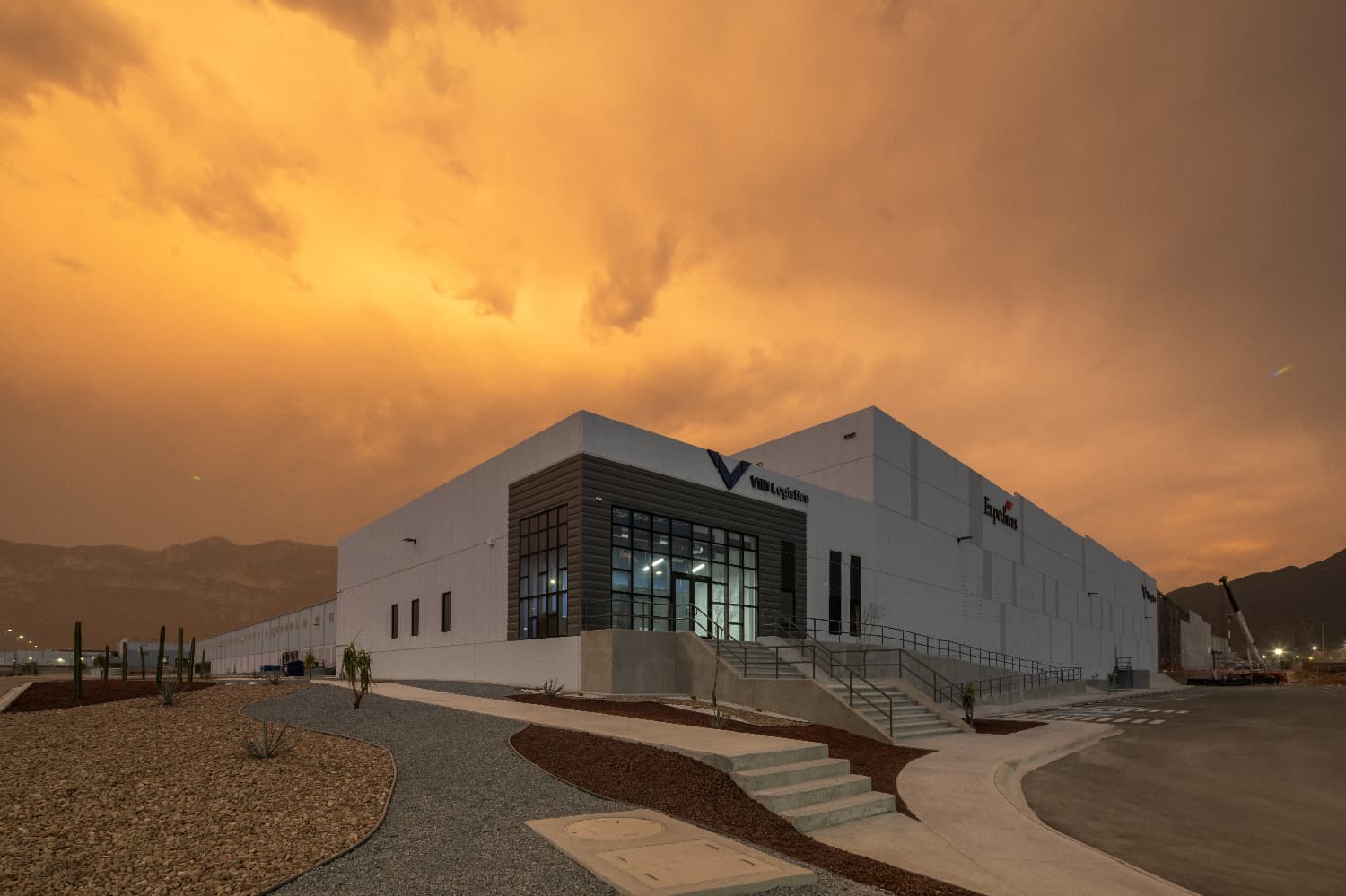
FINSA Multi V Santa Catarina is an industrial building located in the FINSA Santa Catarina Industrial Park.
It consists of warehouse, manufacturing, and office space, as well as two security booths.
The project was designed and built prioritizing positive environmental impact and energy efficiency.
Client
FINSA develops industrial real estate projects and manages one of the largest portfolios in Latin America.
As part of its commitment to sustainability, FINSA has enrolled in the LEED Volume Certification program and adopted best practices and procedures for the development of its multi-tenant buildings.
Project
The project implemented various strategies:
➣ To optimize energy savings, the project incorporated roof skylights, along with efficient materials and windows for the building envelope.
➣ Regarding water consumption, low-flow plumbing fixtures will be installed, achieving a 46.79% reduction in indoor water use, and a xerophytic landscape was designed to eliminate 100% of outdoor water consumption.
➣ A plan was implemented to divert 75.16% of construction waste from landfills, and tenants were provided with design and construction guidelines to promote sustainable practices and facilitate the construction process, should they require it.
➣ The project’s security booth is designed to maintain high indoor air quality, and the use of efficient vehicles is promoted through the allocation of preferred parking spaces for low-emission vehicles.
➣ The project also benefited from the participation of a LEED-accredited professional to expedite the building certification process.
Challenges
The main challenge was to design an exterior lighting system with low energy consumption that would meet sustainability credit requirements while also complying with local regulations for lighting in public spaces.
Results
Low-energy LED luminaires with controlled light distribution were selected to meet the minimum illumination levels required by local regulations.
Additionally, photocells and timers were implemented to ensure the system operates only when necessary, reducing energy consumption without compromising functionality or site safety.