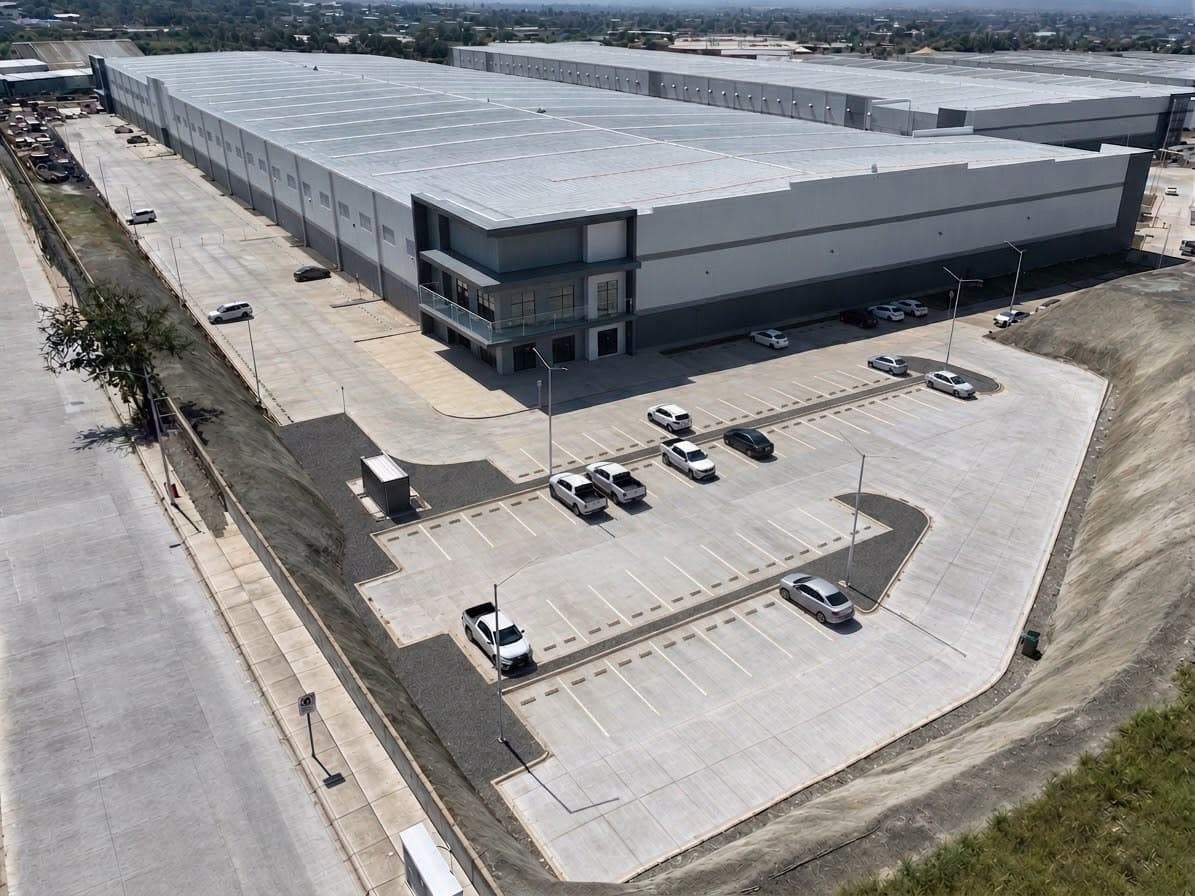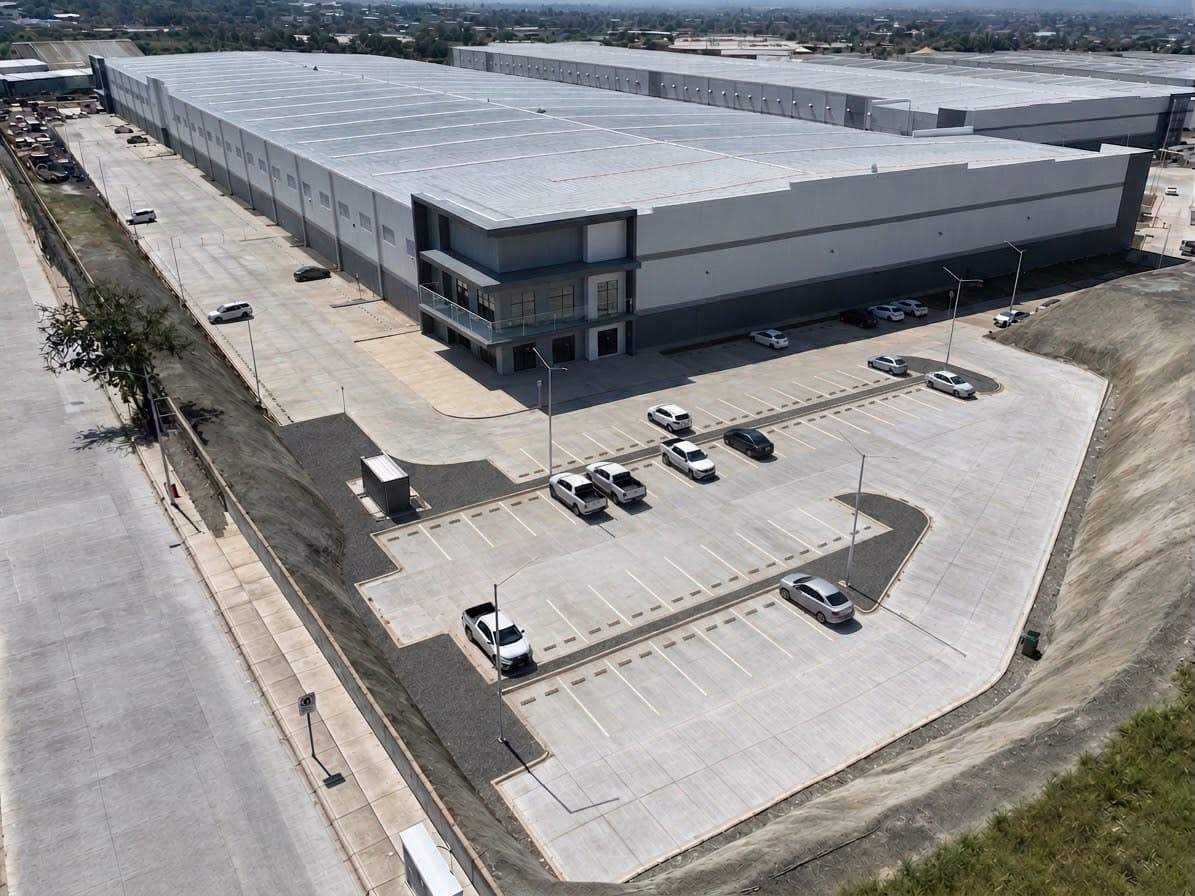
General description
VESTA-VPGI-09
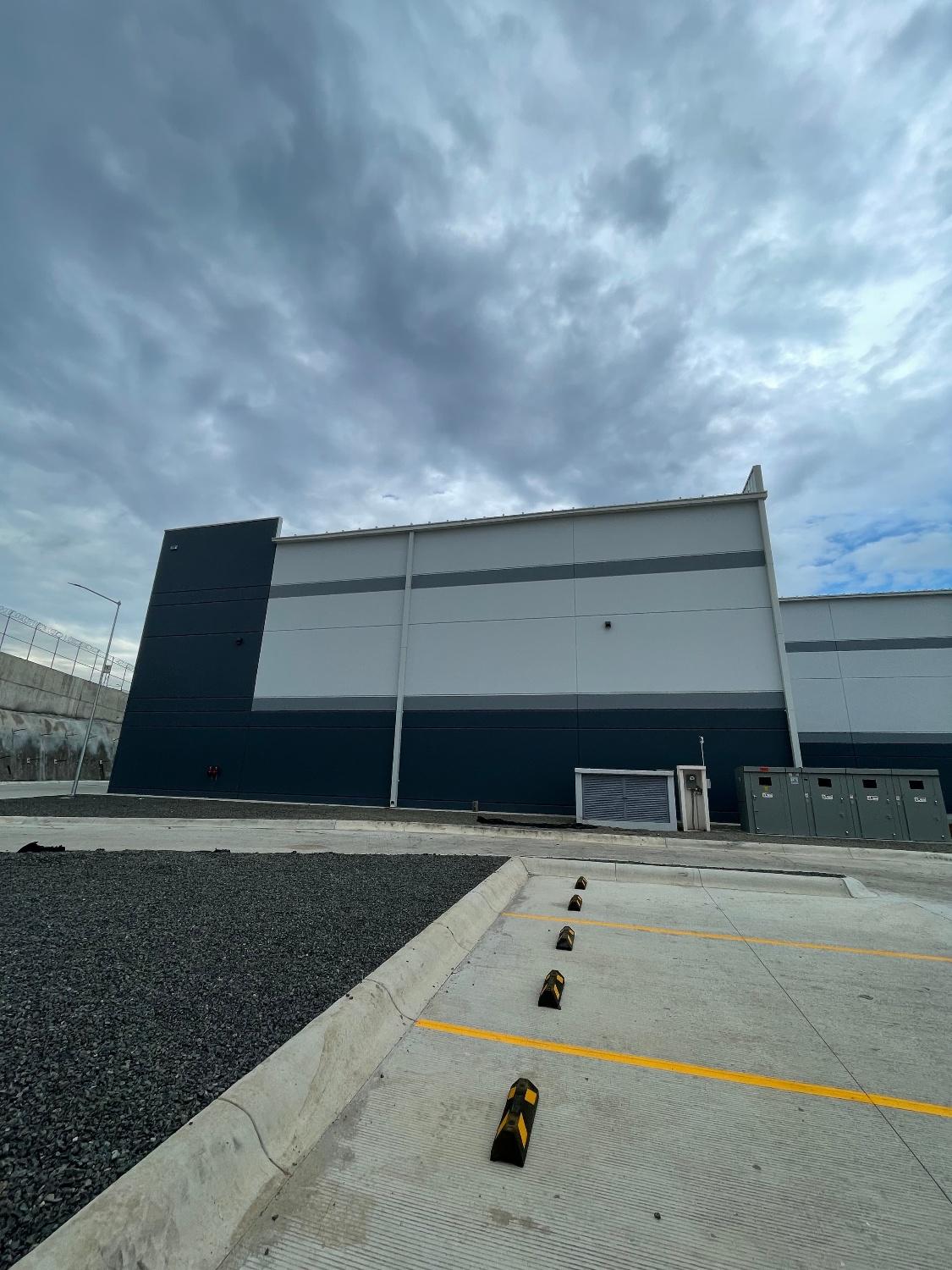
VPGI-09 is a Core and Shell industrial building located in Guadalajara, Jalisco.
The project offers speculative warehouse and office space, with a design focused on minimizing environmental impact and a strong commitment to energy efficiency and sustainability.

Client
VESTA is an industrial real estate developer that aims to become a company of excellence through efficient and sustainable solutions.
As part of this commitment, VESTA enrolled in the LEED Volume Program and has adopted best practices and procedures for the development of its buildings.
Project
The project incorporates strategies to reduce water, energy and resource consumption.
Location and Transportation
The building is located in a strategic area that supports local economic activity and contributes to the region’s growth.
Sustainable Sites
The project incorporated high-reflectance roof finishes, designed to minimize heat absorption and reduce the heat island effect in the built environment.
Water Efficiency
The industrial park has a water treatment plant that allows efficient water reuse for outdoor use, achieving 100% potable water savings for irrigation.
The project also installed high-efficiency plumbing fixtures, achieving 54% potable water savings for indoor use compared to a baseline case.
Energy and Atmosphere
The project used efficient materials in the building envelope and optimized daylighting through skylights, reducing the need for artificial lighting. Low-energy lighting fixtures were also installed, resulting in total energy savings of 17%.
In addition, an enhanced commissioning process was performed for the MEP systems (mechanical, electrical and plumbing) and the building envelope to verify their proper operation and identify opportunities to optimize performance and improve operational efficiency.
Materials and Resources
The project improved its environmental performance by selecting materials with high recycled content and lower impacts according to their Environmental Product Declarations (EPDs).
The project also performed a life-cycle assessment, achieving a reduction of 10% or more in five environmental impact categories, including global warming potential (GWP).
Indoor Environmental Quality
A daylight study determined that more than 89% of the project’s floor area achieves optimal illuminance levels to operate on daylight alone.
This reduces the need for artificial lighting and, consequently, electricity consumption.
The mechanical ventilation system was designed and verified in accordance with ASHRAE Standard 62.1-2010, ensuring efficient, controlled ventilation with good indoor air quality.
Innovation
The project was supervised by a LEED Accredited Professional to support the implementation of sustainability strategies.